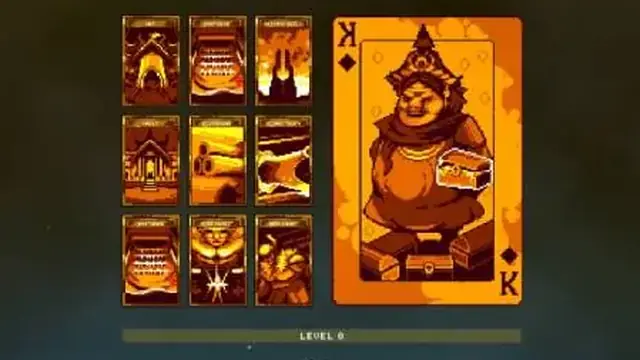
Why Greed wins
Gold is the only resource that becomes any other resource. The King of Greed makes more of it, faster, than anyone else in 9Kings APK, and that single advantage compounds every year. While other kings are locked into their themes, Greed buys whatever the moment demands: mercenaries for a crisis, towers for a siege, economy for the future. Flexibility is the win condition in 9 Kings.
The opening: years 1 to 8
Build income and almost nothing else. Place gold-generating cards in a tight, defensible cluster, raise the cheapest walls that will hold early raiders, and recruit only what the current year's attackers require. Every spare coin goes back into income. By year 8 in the game you should be the richest kingdom on the map with a modest but sufficient defense. If you are not the richest, you economized too slowly.
Mercenary timing
Mercenaries are Greed's signature: instant armies, no recruitment buildings required. The beginner mistake is hiring them early and bleeding gold. The correct timing is reactive: keep the treasury full, and when a year brings more than your standing army handles, buy the exact force that answers it. In the game, mercenaries are a fire extinguisher, not a lifestyle. The standing army, built slowly and cheaply, handles the routine years.
What to buy in each era
Early: income, income, walls. Mid: your first real army core, tower upgrades on the threatened border, and anti-swarm answers when the years start sending numbers. Late: everything. Late-game Greed buys elite stacks, full tower networks, and emergency mercenary waves in the same year, because the economy now prints answers. Prioritize whatever the next two years threaten; gold means never being locked out of the right purchase.
The late-game snowball
Greed's endgame is arithmetic. Income multipliers stack multiplicatively with territory, and territory grows every year you survive. Somewhere past year 20 in a reign, the treasury stops being a number you check and becomes a number you stop being able to spend. That is when you hunt rival kings deliberately: loot their decks with the looting strategy, fold foreign cards into your economy engine, and watch synergies do the rest.
Greed's weaknesses
Two things humble the golden king. First, early rushes before the economy exists: if year 3 sends a real army, there is no treasury to answer with, so scout and keep minimal defenses honest. Second, complacency: gold does not win fights by itself, and the richest corpse on the map is still a corpse. Convert wealth into board presence on schedule. For the full picture of where Greed stands among the nine, see the tier list, and grab the current build from the home page to practice the opener.